
At Reflekta, we spend a lot of time thinking about stories.
Not just the big, polished stories people tell in public, but the smaller ones. The family stories. The half-remembered stories. The stories told at kitchen tables, in cars, at holidays, during long walks, and sometimes only once, when someone finally feels ready to say them out loud.
So when Hideo Kojima releases a new chapter in the Death Stranding universe, we pay attention.
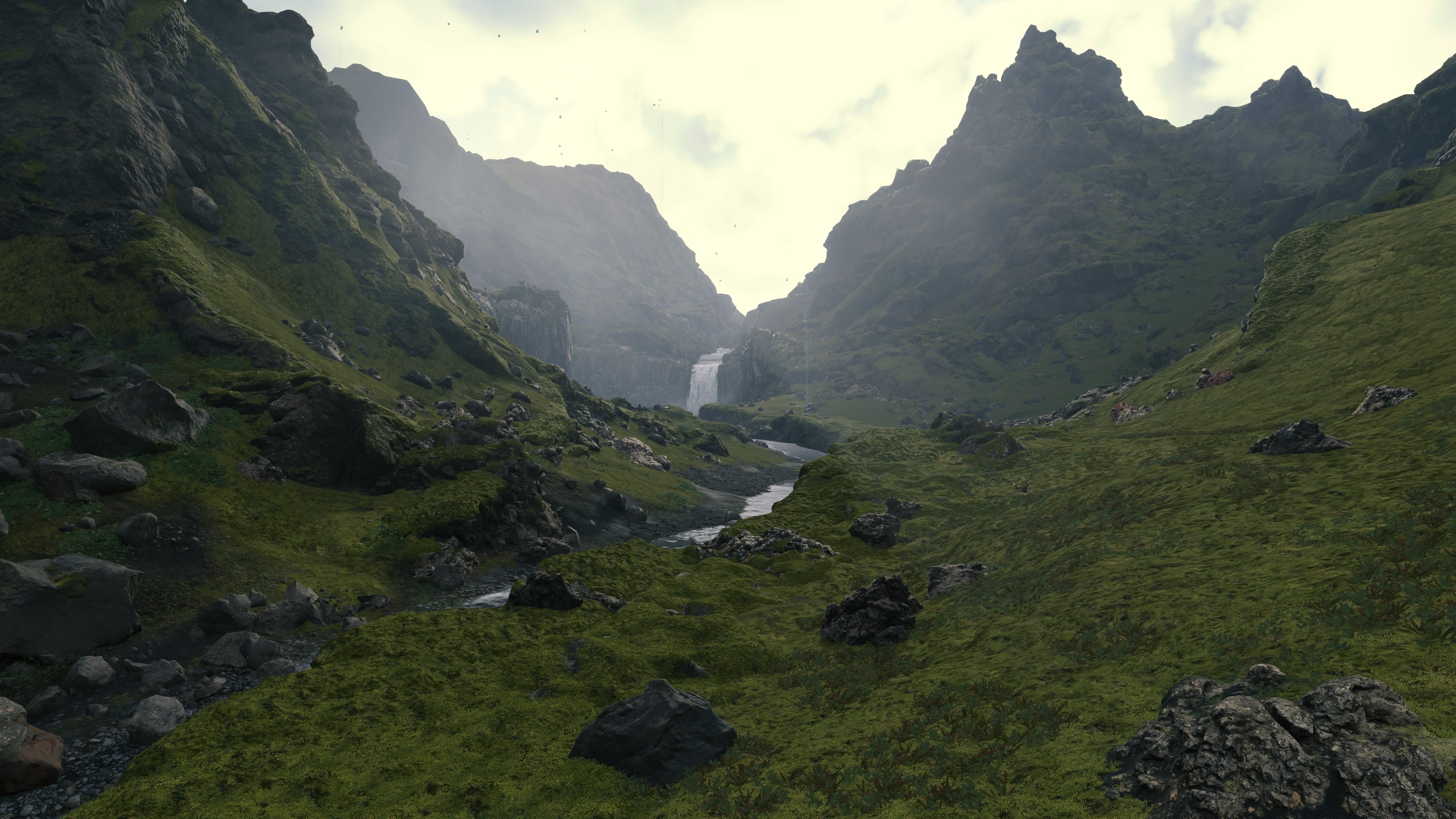 Not because Death Stranding is literally about what we do. Reflekta does not involve bridge babies, haunted beaches, timefall, cargo management, or the emotional devastation of falling down a mountain and watching several carefully packed containers tumble into a river.
Thankfully.
But Kojima’s work often circles the same questions that sit at the heart of our own work: What connects us? What do we carry? What do we owe the people who came before us? How do we preserve meaning in a world that keeps moving forward?
With Death Stranding 2: On the Beach, those questions feel even more urgent.
When the original Death Stranding arrived in 2019, it imagined a fractured America where people lived in isolation, the dead were not entirely gone, and the future depended on rebuilding human connection across a broken landscape. Players took on the role of Sam Porter Bridges, a courier carrying supplies, messages, and hope across dangerous terrain.
Then the real world changed.
Only a few months later, the COVID-19 pandemic forced millions of people into isolation. Suddenly, a story about loneliness, physical separation, and fragile networks of connection felt less like science fiction and more like an unusually well-timed emotional forecast.
Now, Death Stranding 2 returns to that universe with a more complicated question: “Should we have connected?”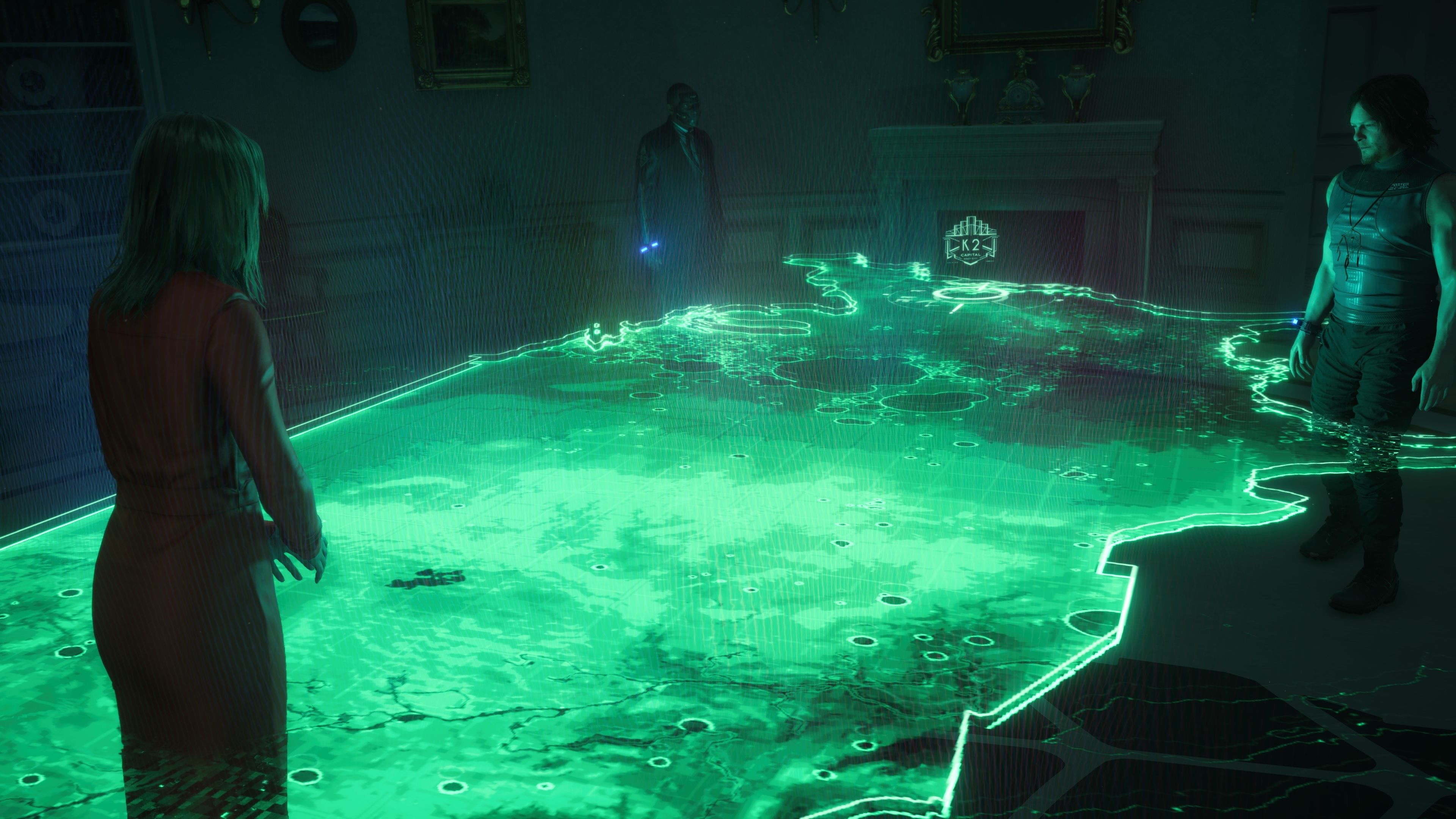
That question reaches far beyond video games.
It lands directly in the middle of one of the defining cultural and technological debates of the moment. As artificial intelligence, digital archives, voice preservation, virtual companions, and memory-preservation platforms become more common, society is beginning to ask what it means to stay connected to people, stories, and loved ones across time.
In that sense, Death Stranding 2 is not just a sequel. It is part of a larger conversation about memory, grief, technology, and the future of human connection.
Kojima’s Strange Worlds Keep Looking More Like Ours
Kojima has built a career by creating fictional worlds that seem absurd at first, then unsettlingly familiar over time.
His stories often include exaggerated names, surreal technology, theatrical villains, and plots that sound impossible to summarize without making the speaker appear faintly unwell. Death Stranding alone includes invisible spirits, rain that accelerates aging, babies used as a bridge to the world of the dead, and a man named Heartman whose heart stops every 21 minutes so he can search for his family in the afterlife.
And yet, beneath all of that weirdness, Kojima’s stories tend to revolve around very recognizable human concerns.
Who are we without connection?
What do we owe the dead?
Can technology bring us closer, or does it simply create new forms of distance?
How do societies rebuild trust after fracture?
Why does Norman Reedus always look like he has just walked through nine miles of haunted drizzle?
These questions are part of what has made Death Stranding so durable. The game was not only about delivery, infrastructure, or survival. It was about the emotional labor of reconnecting a lonely world.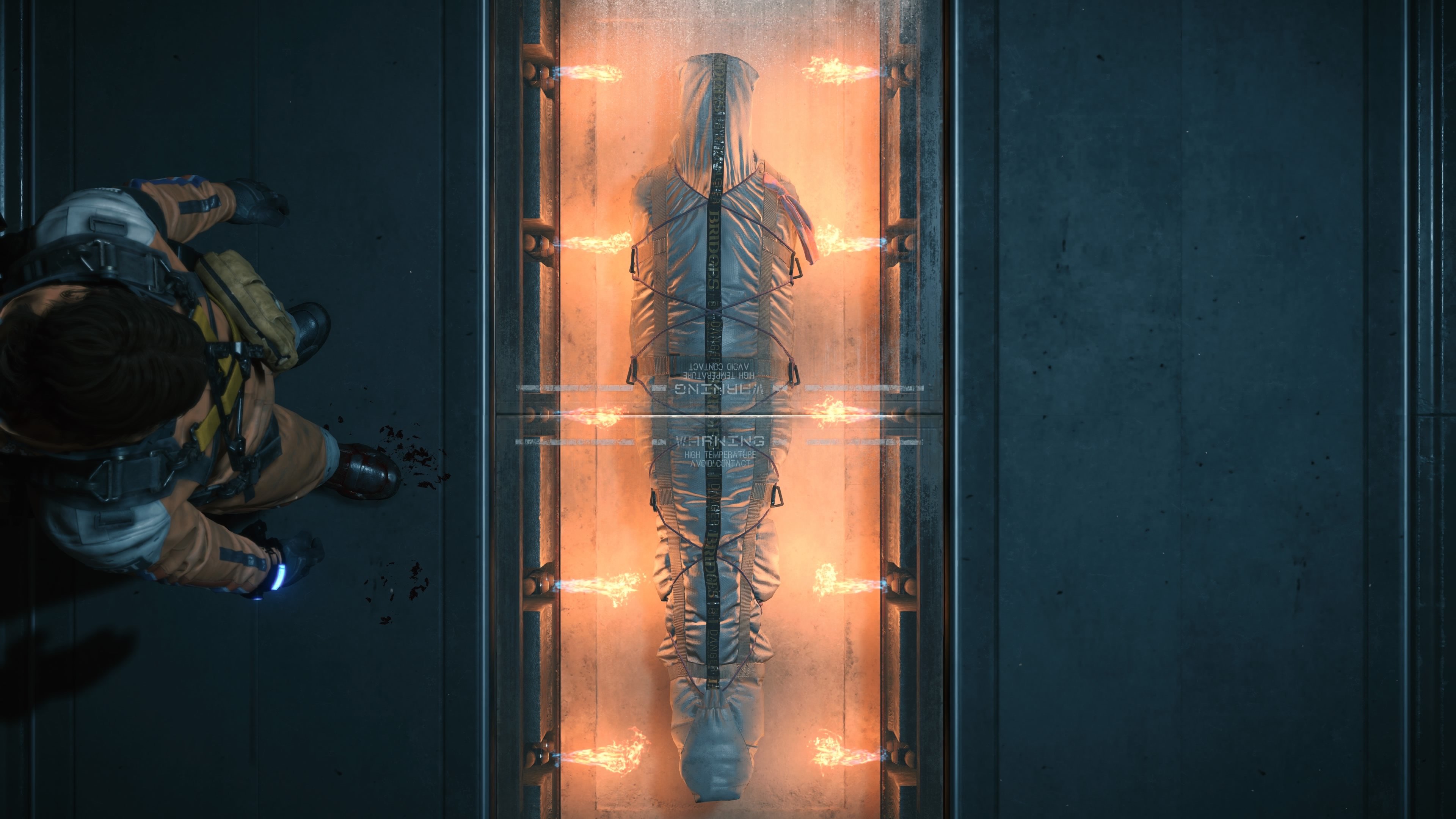
That theme feels even more relevant now.
In recent years, loneliness has become a major public health concern. The U.S. Surgeon General has warned about the health consequences of loneliness and social isolation. AARP research has shown significant loneliness among older Americans. Pew Research Center has found that many Americans report feeling continued bonds with loved ones who have passed, whether through dreams, sensed presence, or other forms of personal experience.
In other words, Kojima’s fictional world, where the dead remain emotionally present and connection is both necessary and dangerous, does not feel as far removed from our own as it once might have.
The New Question: Is Connection Always Good?
The first Death Stranding was built around the idea of reconnection. America had shattered into isolated communities, and Sam’s job was to bring them back into a shared network.
The emotional premise was straightforward: people need each other.
The sequel complicates that idea.
“Should we have connected?” is a very different question from “How do we reconnect?” It reflects a cultural shift that has taken place since the original game. In 2019, the promise of connection still carried a certain optimism. By 2026, the picture is more complicated.
The internet connects people, but it also radicalizes, isolates, distracts, and overwhelms. Social media preserves memories, but often flattens them into performance. Artificial intelligence can help people communicate, but it can also imitate, distort, and manipulate. Digital tools can bring comfort, but they can also make it harder to let go.
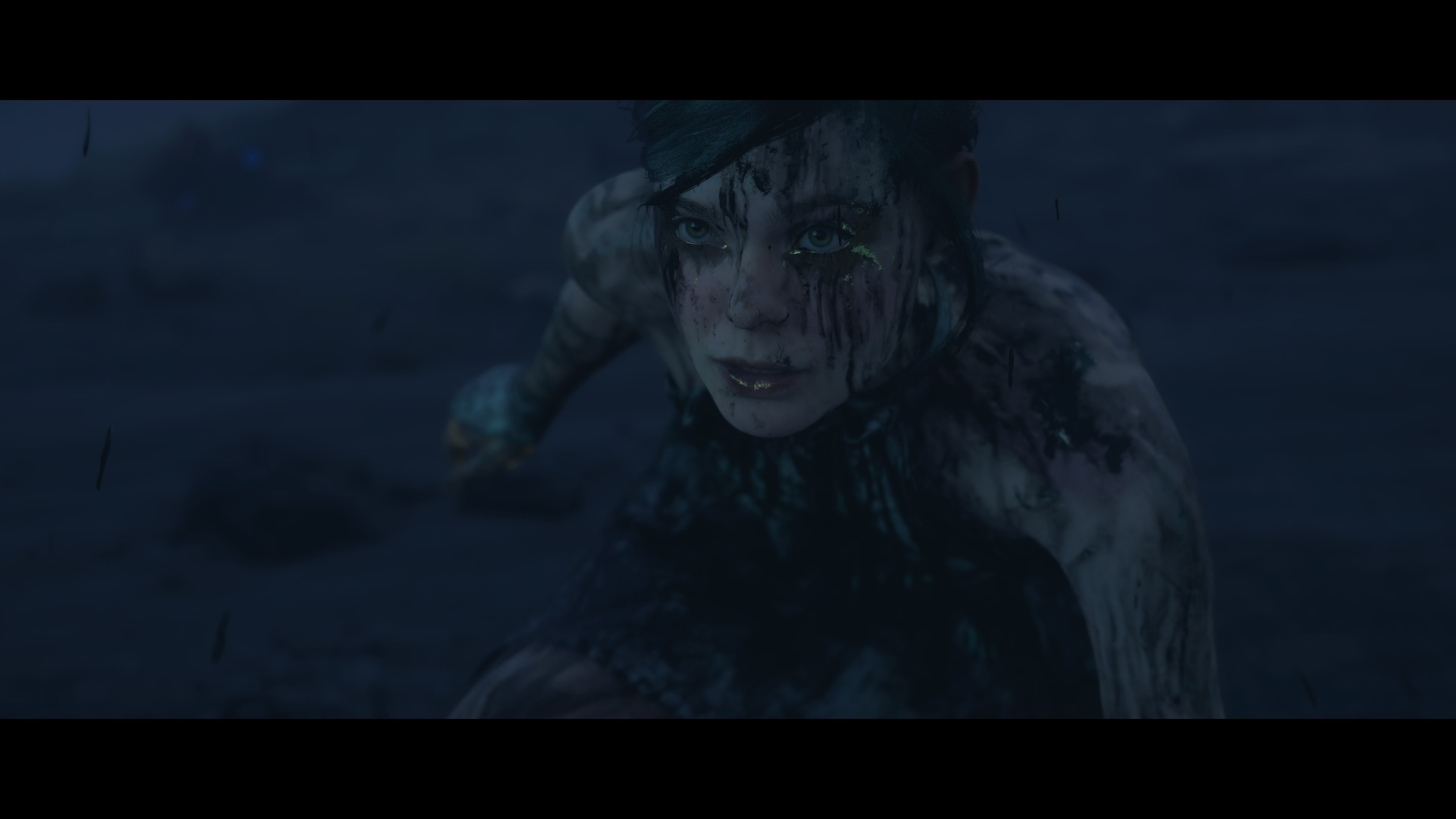 Kojima’s genius is that he rarely treats technology as simply good or bad. In his worlds, technology is powerful because it magnifies human intention. It can heal or harm depending on who controls it, how it is used, and what it asks people to sacrifice.
That is also the question now facing the emerging field of memory technology.
If a person’s voice can be preserved, should it be?
If family stories can become interactive, who decides how they are told?
If artificial intelligence can simulate conversation with someone who has passed, when is that comforting, and when does it become something more complicated?
These are no longer hypothetical questions confined to science fiction. They are becoming practical questions for families, technologists, ethicists, and companies working at the intersection of AI, memory, and grief.
At Reflekta, we believe those questions should not be treated as obstacles to avoid. They should be treated as the foundation.
Any technology that touches memory has to begin with care.
The Rise of Memory Technology
For most of human history, memory preservation was analog and fragile.
Families saved letters, photo albums, home movies, recipes, war medals, journals, newspaper clippings, and handwritten notes. Stories survived because someone told them often enough that someone else remembered. A grandparent’s life might be preserved in a few photographs, a handful of anecdotes, and the particular way a family member retold the same story at every holiday gathering.
That system was intimate, but imperfect.
Much was lost.
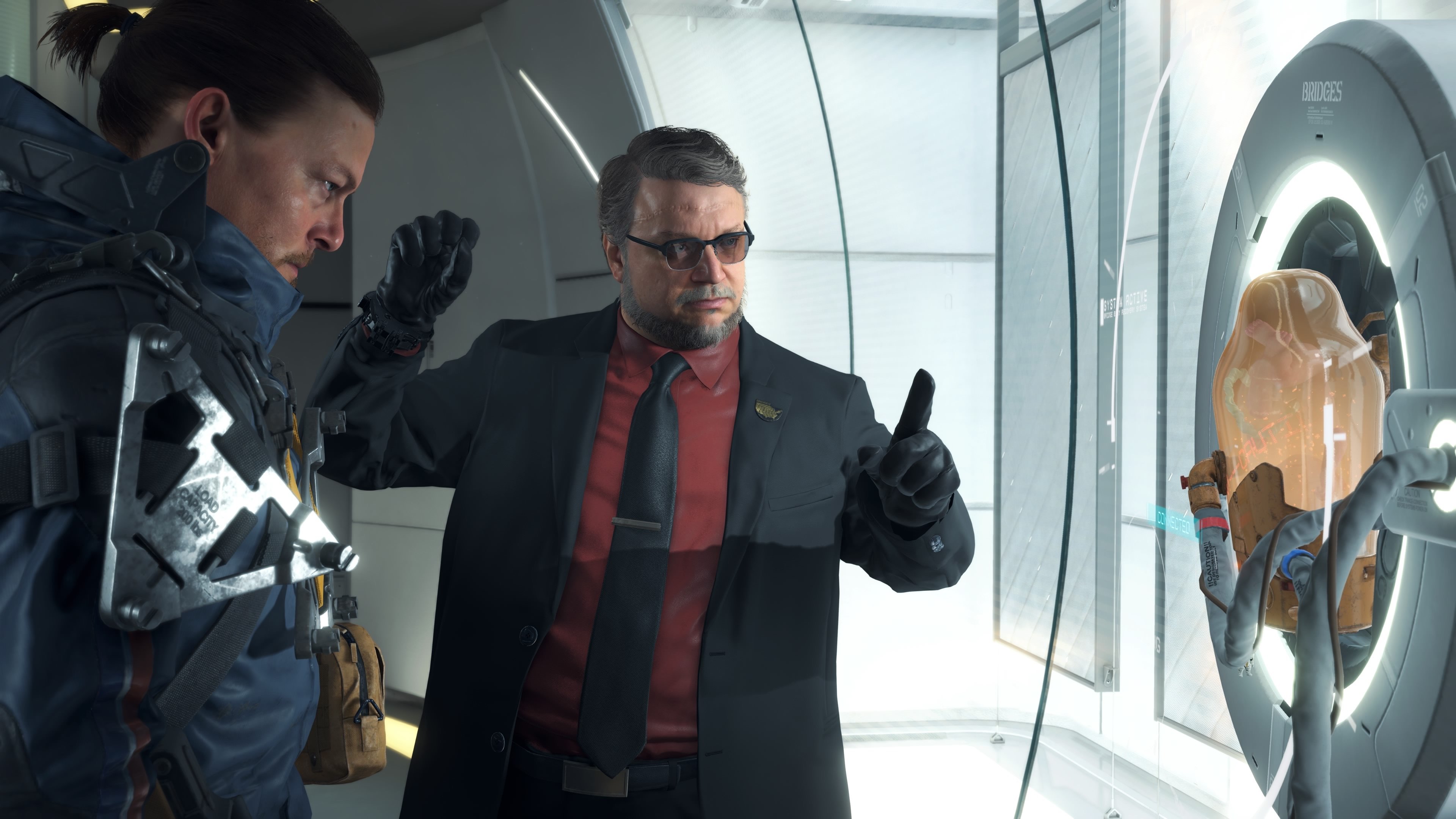 Voices disappeared. Details faded. Context vanished. The emotional texture of a person, how they laughed, what they cared about, how they saw the world, often survived only in fragments.
The digital age changed the scale of preservation. Families now have thousands of photos, years of texts, voice notes, social media posts, emails, videos, and cloud backups. But abundance created a new problem. Many people have more material than ever and less clarity about what any of it means.
A phone may contain 40,000 photos, but that does not make it a story.
A folder of videos may preserve a face, but not necessarily a life.
This is where a new category of technology has begun to emerge. Companies and researchers are exploring ways to organize memory, capture life stories, preserve voices, and use AI to make personal archives more accessible and conversational.
Reflekta is part of that broader movement. Our focus is on preserving personal stories through AI-guided conversations and interactive memory experiences. Rather than treating memory as a static archive, we believe family history can become something people actively engage with, return to, and learn from across generations.
The idea is not simply to store information.
It is to preserve narrative.
That distinction matters.
A person is not a database. A life is not a collection of facts. The value of memory is not only in knowing where someone was born or what job they had. It is in understanding how they saw the world, what they carried, what they survived, what made them laugh, and what they wanted others to remember.
Why Death Stranding Resonates With This Moment
The overlap between Death Stranding and memory technology is not literal. Again, Reflekta is not building bridge babies. Families are not hauling cargo through ghost-infested Icelandic terrain. Although, anyone who has tried to organize old family photos in a shared cloud folder may recognize a similar level of emotional exhaustion.
The connection is thematic.
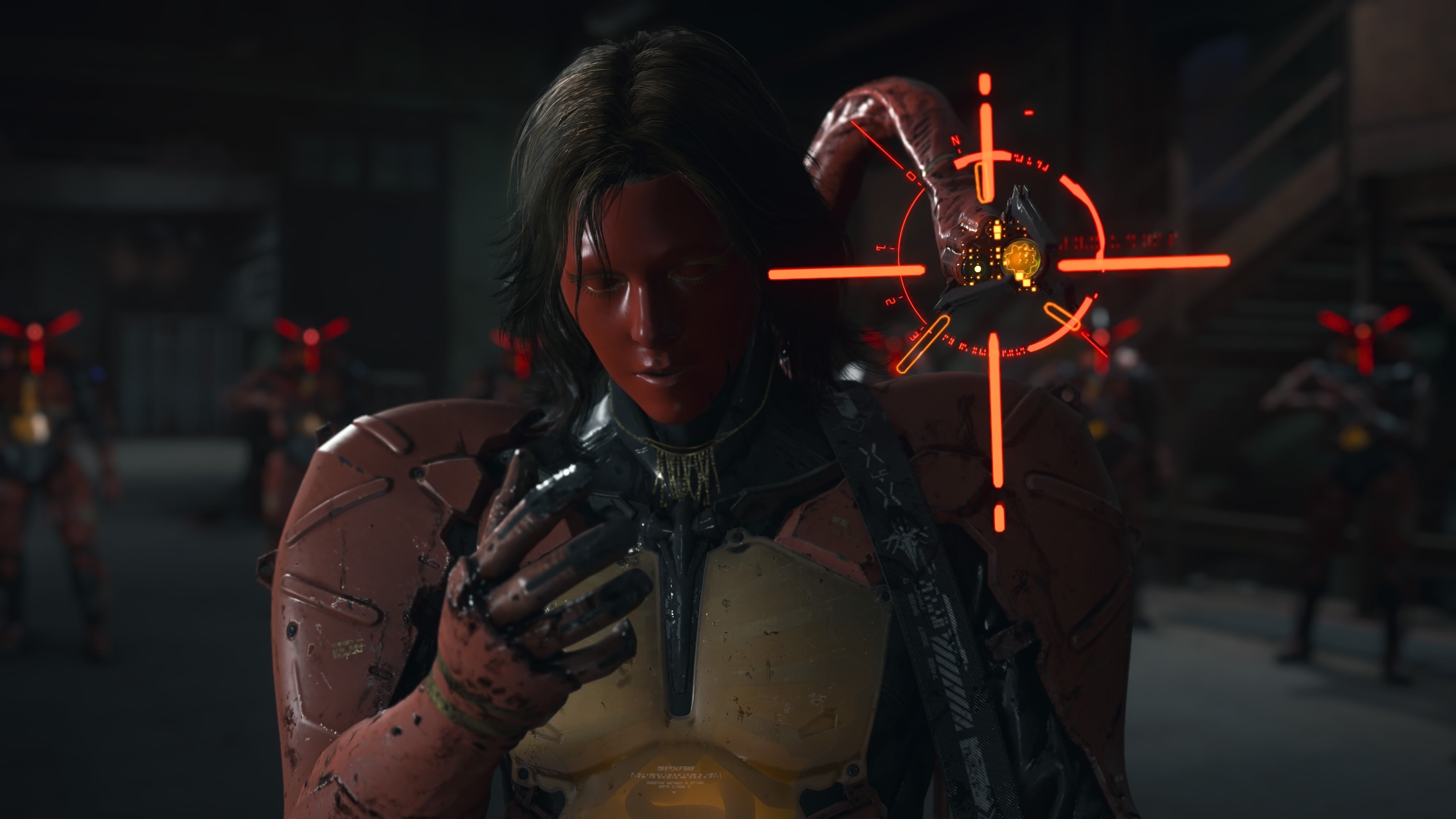 Both Death Stranding and the emerging memory-tech space are concerned with the invisible bonds between people. Both are interested in what remains after loss. Both ask how technology can either preserve or distort human connection.
In Death Stranding, the dead are not simply gone. They remain present in dangerous, mysterious, and emotionally charged ways. The world is haunted by the unresolved relationship between the living and the dead.
That may sound fantastical, but it reflects a very human reality.
People often continue relationships with loved ones after they pass. They talk to them. Dream about them. Save their voicemails. Wear their watches. Cook their recipes. Tell their stories. Hear their advice internally at unexpected moments. Memory is not passive. It is relational.
Modern grief researchers often describe these as continuing bonds. The idea is not that healthy grief requires severing ties with the person who passed. Instead, many people find meaning in maintaining an evolving internal relationship with them.
That concept sits very close to the heart of Reflekta.
We do not believe remembrance should be frozen in place. We believe stories can continue to guide, comfort, teach, and connect families long after the original moment has passed.
The question is not whether people want to remain connected to those they love. They already do.
The question is what forms that connection should take in an age when technology can preserve, organize, and even simulate aspects of a person’s presence.
The Ethics of Building Bridges to the Past
Any technology that touches memory and grief carries significant ethical responsibility.
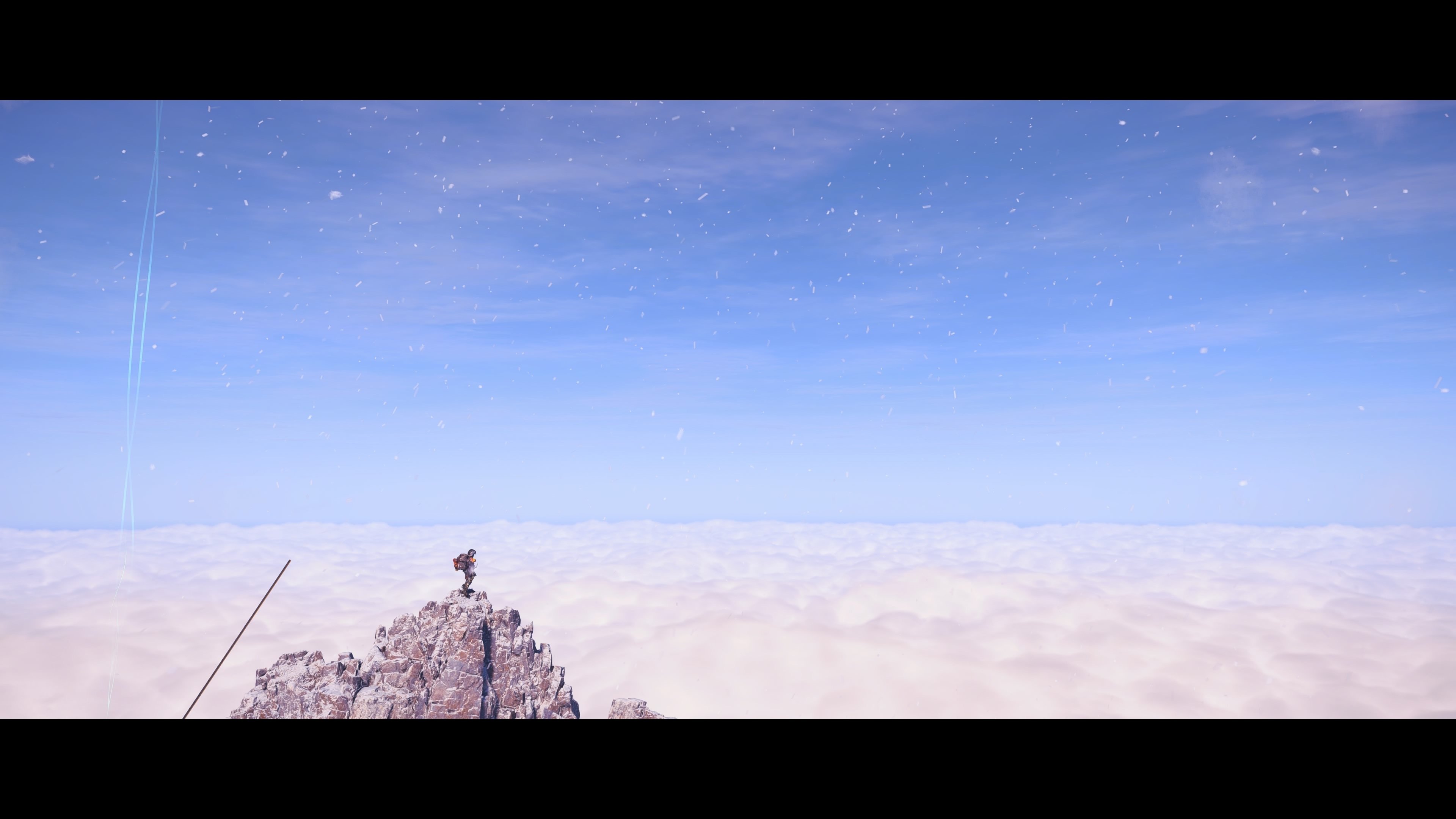 There are questions of consent. Did the person agree to have their stories, voice, or likeness preserved in this way?
There are questions of control. Who owns the archive? Who can access it? Who can edit it?
There are questions of accuracy. What happens when memory is incomplete, contradictory, or painful?
There are questions of emotional safety. When does an interactive memory help someone process grief, and when might it keep them from moving forward?
These concerns are not arguments against memory technology. They are arguments for building it carefully.
This is another place where Kojima’s work feels relevant. Death Stranding does not present connection as simple salvation. It treats connection as powerful, necessary, dangerous, and morally complicated. Bridges can save people. Networks can unite them. But every connection also creates dependency, vulnerability, and consequence.
That is a useful framework for thinking about AI and memory.
At Reflekta, we do not see the goal as creating the illusion that no one ever truly leaves. That would be both dishonest and emotionally dangerous. The better goal is to help preserve what people choose to leave behind: their stories, wisdom, humor, values, and voice.
Memory technology should not replace grief.
It should support remembrance.
It should not pretend to bring people back.
It should help families carry forward what mattered.
From Science Fiction to Family History
One reason Death Stranding works as a cultural reference point is that Kojima understands something many technologists miss: infrastructure is emotional.
A road is not just a road if it helps someone reach another person.
A network is not just a network if it carries memory.
An archive is not just an archive if it helps a child understand where they came from.
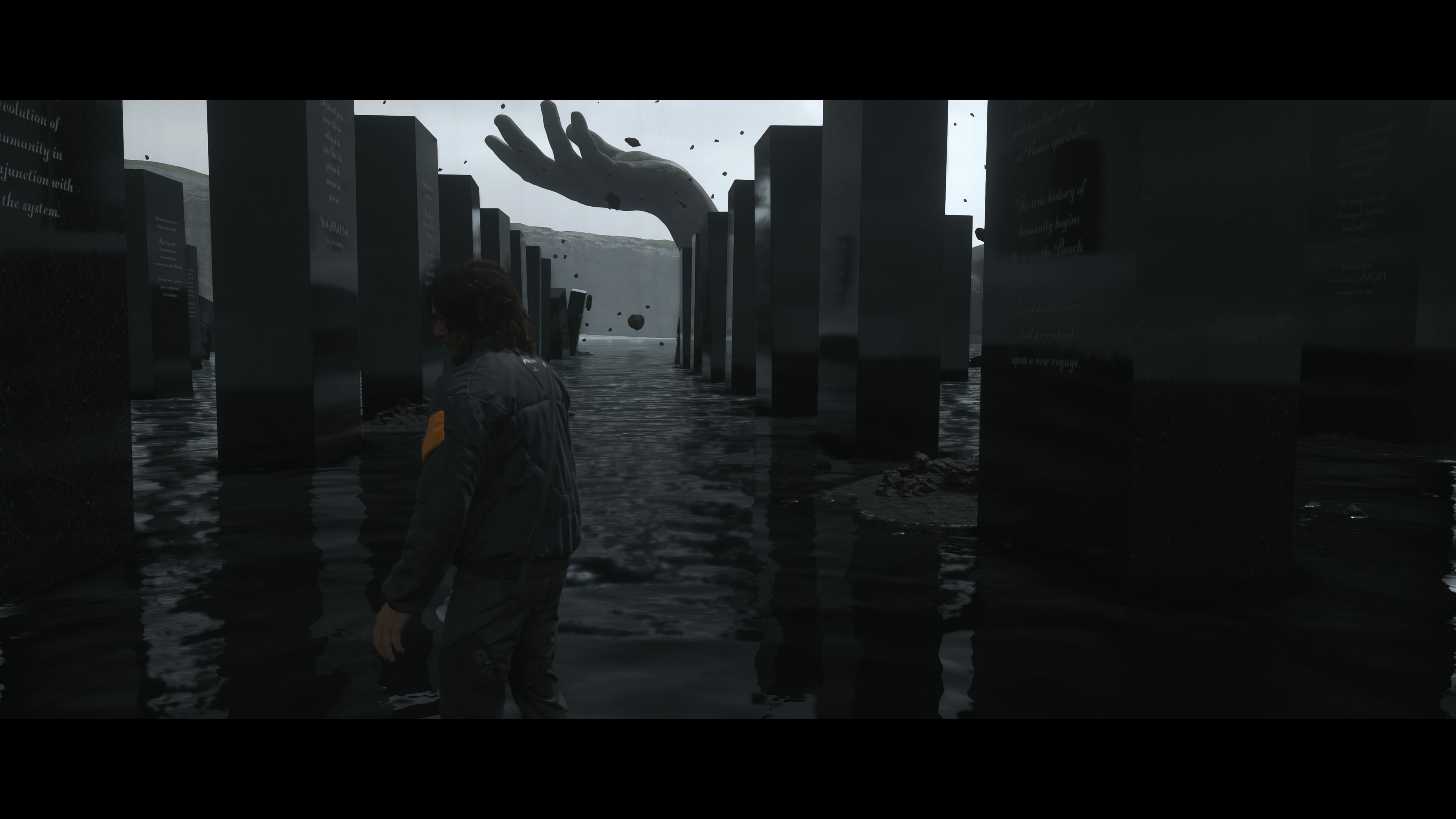 This is where the conversation around AI often becomes too narrow. Much of the public debate focuses on productivity, automation, job displacement, search, creativity, and misinformation. All of that matters. But AI is also entering far more intimate territory.
It is entering family history.
It is entering aging.
It is entering grief.
It is entering the way people preserve identity across generations.
For families, this may become one of the most meaningful uses of artificial intelligence. Not because it is flashy, but because it addresses a problem almost everyone eventually faces: the fear that the people we love will become unreachable, and that their stories will disappear before we knew which questions to ask.
That fear is not futuristic. It is ordinary.
It happens every time someone finds an old photo and realizes no one alive knows who is in it.
It happens every time a parent passes before their child asks about their childhood.
It happens every time a veteran, immigrant, caregiver, teacher, artist, or grandparent takes a lifetime of stories with them.
Kojima turns that fear into beaches, ghosts, and fractured nations.
Real life turns it into silence.
Reflekta was created to help answer that silence with story.
The Human Need Beneath the Technology
The growing interest in AI memory tools should not be mistaken for a purely technological trend. At its core, it reflects an old human need.
People want to be remembered.
Families want to remember well.
Children want access to the people who shaped them.
Older adults want to know their lives mattered.
Communities want to preserve the voices that helped define them.
This is not new. What is new is the form it may take.
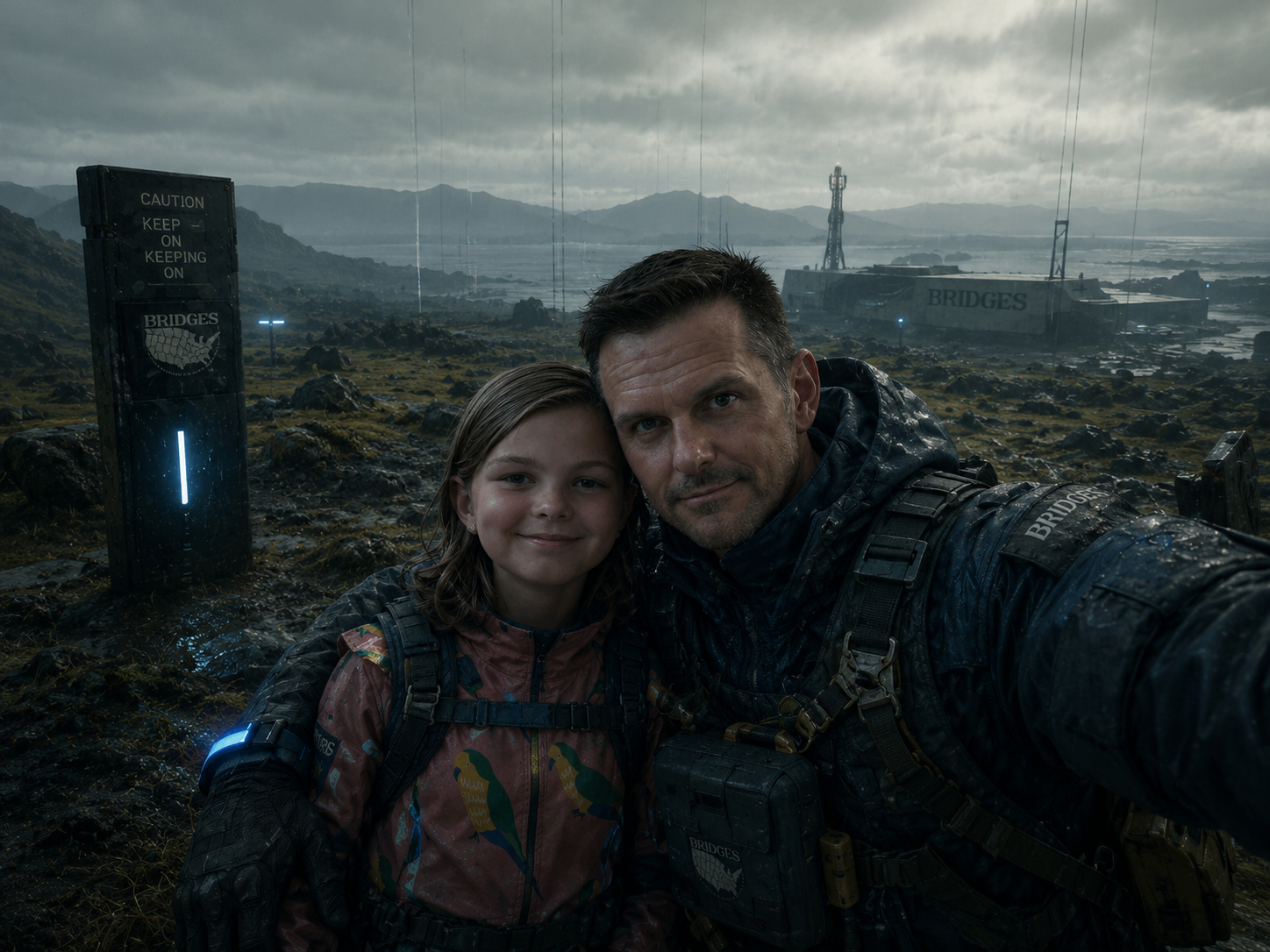 Where previous generations built scrapbooks, recorded oral histories, or passed stories around the dinner table, today’s families may also build interactive archives. They may preserve voices. They may create guided reflections. They may use AI to search, organize, and revisit personal history.
That future will almost certainly be messy.
Some of it will be beautiful. Some of it will be uncomfortable. Some of it will be overhyped. Some of it will probably involve a startup using the phrase “immortality solution,” which should legally require everyone in the room to take a deep breath and go outside.
But beneath the hype is something real.
We are trying to solve the oldest human problem with the newest human tools.
We are trying to keep the people we love from disappearing entirely.
What Kojima Gets Right
Kojima’s stories resonate because he refuses to separate technology from emotion.
In Death Stranding, the question is never simply whether a network can be built. The question is what kind of world that network creates. Who benefits? Who is harmed? What is preserved? What is lost?
Those are the same questions society now needs to ask about AI-driven memory tools.
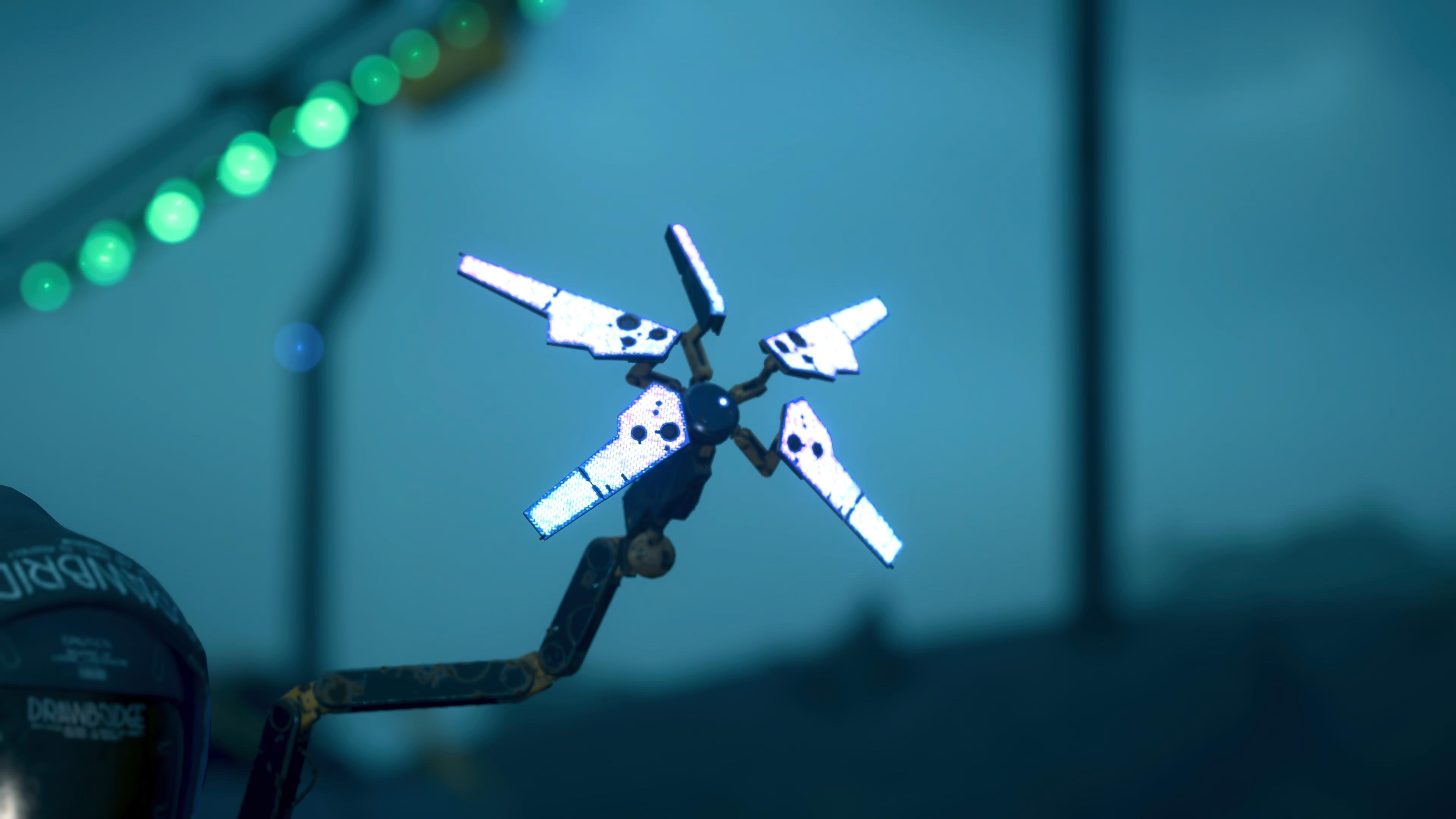 The most important question is not “Can we preserve someone?”
It is “How should we preserve someone?”
As Death Stranding 2 returns players to Kojima’s haunting vision of connection, it arrives at a moment when the real world is beginning to build its own bridges between memory, technology, and grief.
That is the larger story we see at Reflekta.
Every family carries archives.
Every life becomes a story someone else must carry.
Every generation has to decide what to preserve, what to release, and how to stay connected without becoming trapped in the past.
Kojima expresses that through science fiction. The rest of us experience it through family.
Through old voicemails.
Through photos.
Through stories half-remembered.
Through questions we wish we had asked sooner.
Through the people we continue to carry.
Maybe that is why Death Stranding still feels so strange and so familiar at the same time. It understands that connection is not a slogan. It is work. It is risk. It is responsibility. It is sometimes funny, often exhausting, and occasionally sacred.
In the end, whether through a video game, an AI memory platform, or a story told around a kitchen table, the challenge is the same.
Build the bridge carefully.
Someone else may need it to cross.