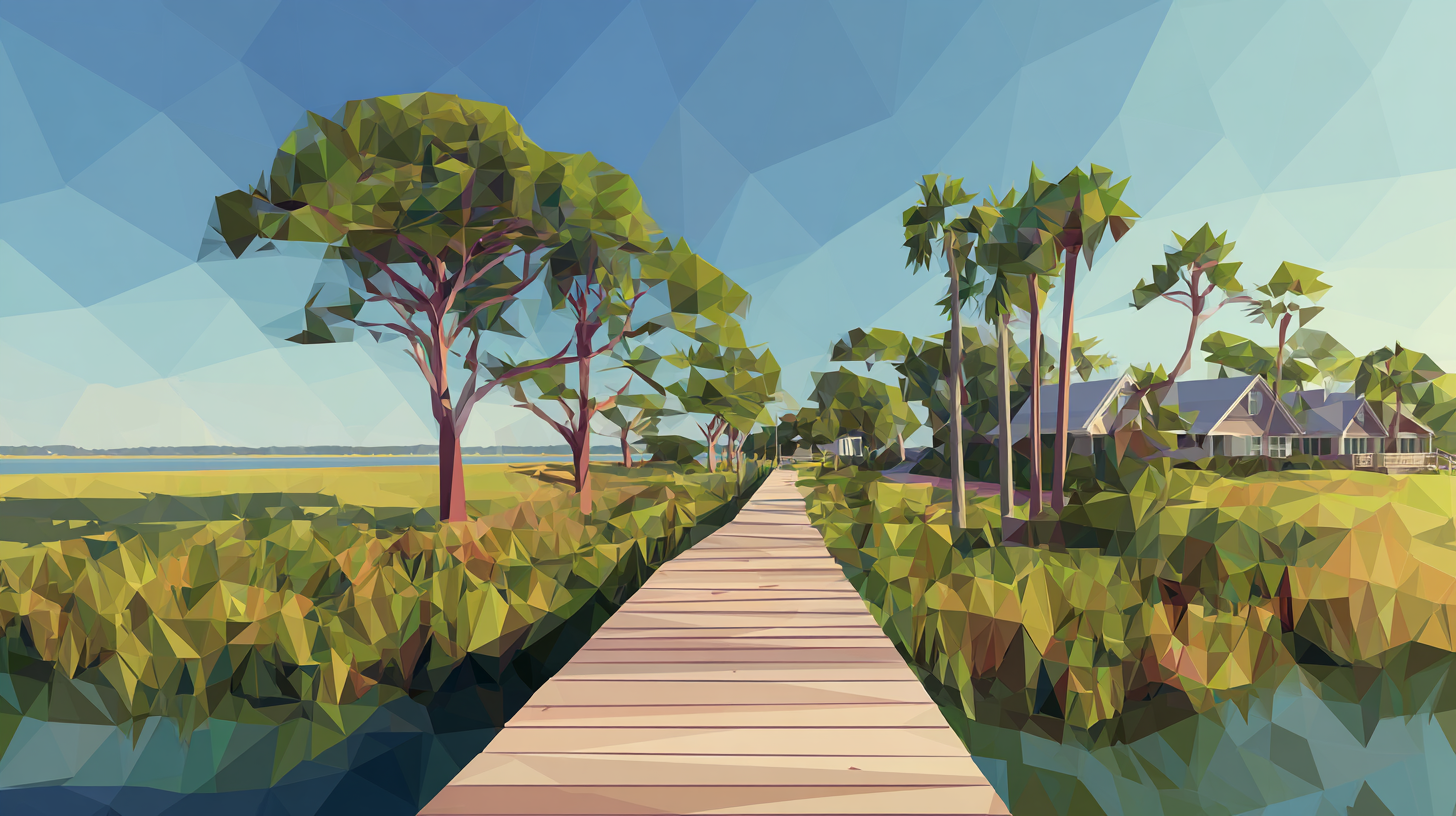
There’s a particular kind of quiet you get in Palmetto Bluff that doesn’t feel empty. It feels…occupied. Like something has just happened, or is about to.
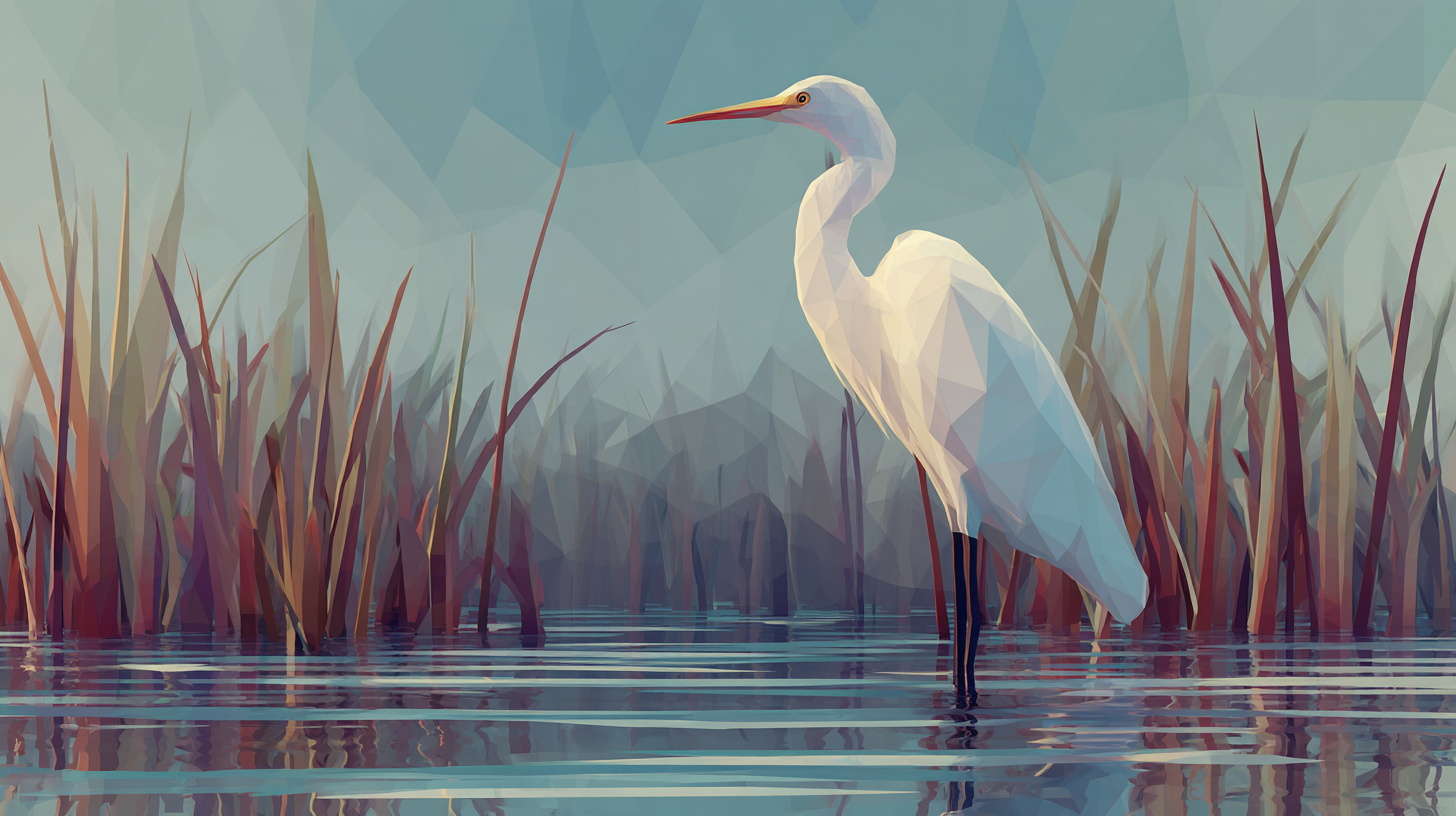
It was early morning when I first noticed it. That kind of low, honeyed light that makes everything look like it’s been lightly edited for emotional impact. Spanish moss hanging off the oaks like it has nowhere better to be. A heron standing perfectly still in the marsh, which, if you think about it, is either the height of patience or a deeply concerning lack of ambition.
I was there with my family, technically on vacation, which in our house means relocating the same chaos to a more scenic zip code. My kids were arguing about something vital, probably whose turn it was to play Mario Kart or which one of them had looked at the other “weird.” My wife had already found the one coffee shop that understood her order on a deeply personal level. And I was doing what I always do in beautiful places, which is pretend I might become a slightly better person simply by proximity.
That’s when I met Henry.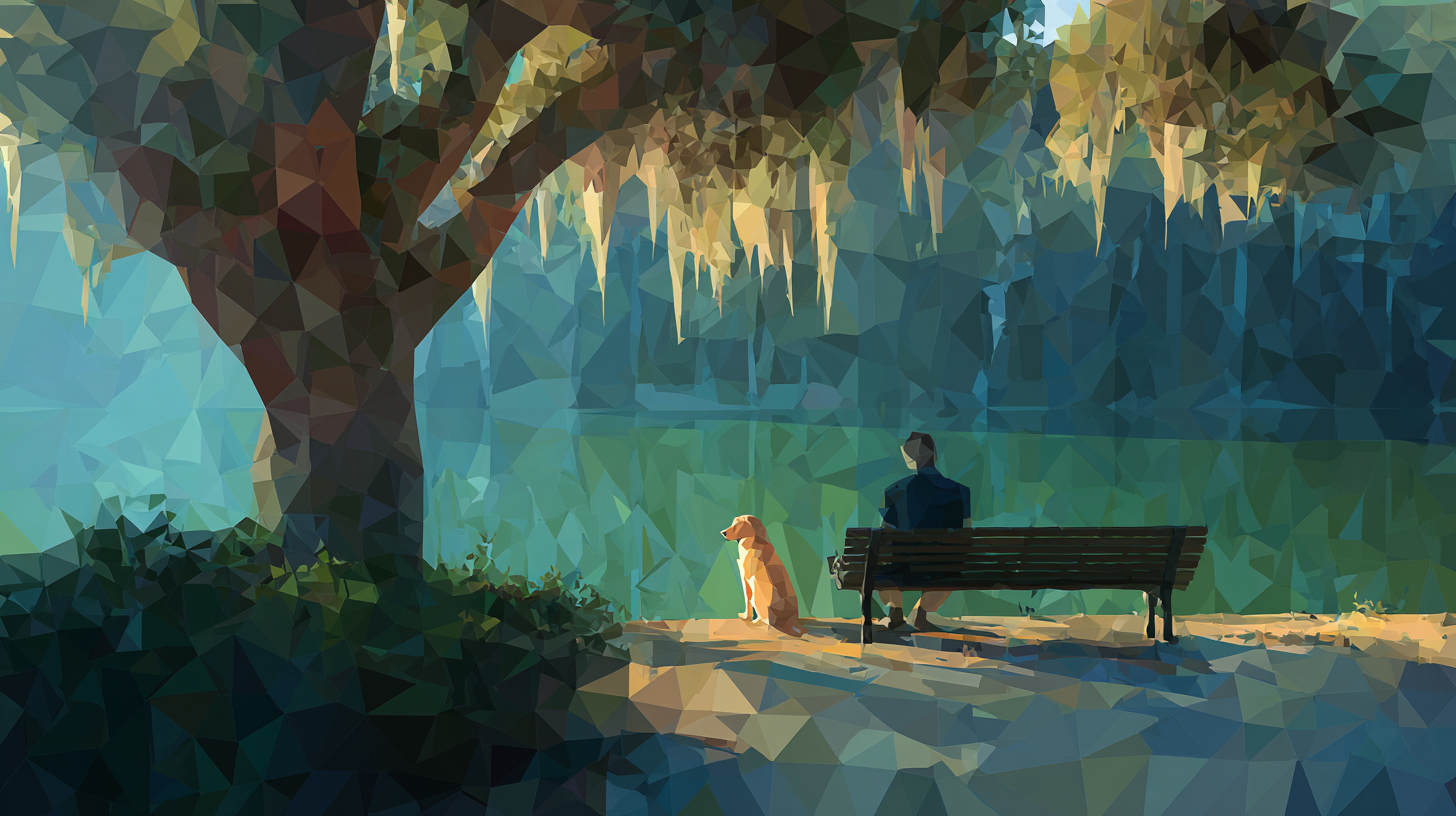
Henry was sitting on a bench near the water, wearing a hat that had clearly seen things. Not in a dramatic, Hemingway way. More like it had quietly endured a series of deeply average Tuesdays. He had a small golden retriever at his feet, who seemed to be in charge.
“Morning,” he said, without looking up.
“Morning,” I said back, as if we had scheduled this.
We sat there for a minute, watching the water do its thing. Which is mostly not much.
“Beautiful place,” I offered, because it felt like something one of us should say.
Henry nodded. “It is. Though I think people get it wrong.”
I waited, because that sounded like the beginning of something.
“They think places like this are about escaping,” he said. “But they’re not. They’re about remembering.”
Now, I’m not someone who usually lets a sentence like that just land without at least pretending to understand it. But there was something about the way he said it, like he’d already tested it against his own life and decided it held up.
“Remembering what?” I asked.
Henry smiled a little. “Depends on the day.”
His dog shifted, sighed, and looked at me like I had already disappointed her.
“Some days,” Henry continued, “I remember my wife’s laugh. Not the polite one. The real one. The one that made people turn around in restaurants and decide they liked her immediately.”
He paused, watching a boat slide slowly across the water.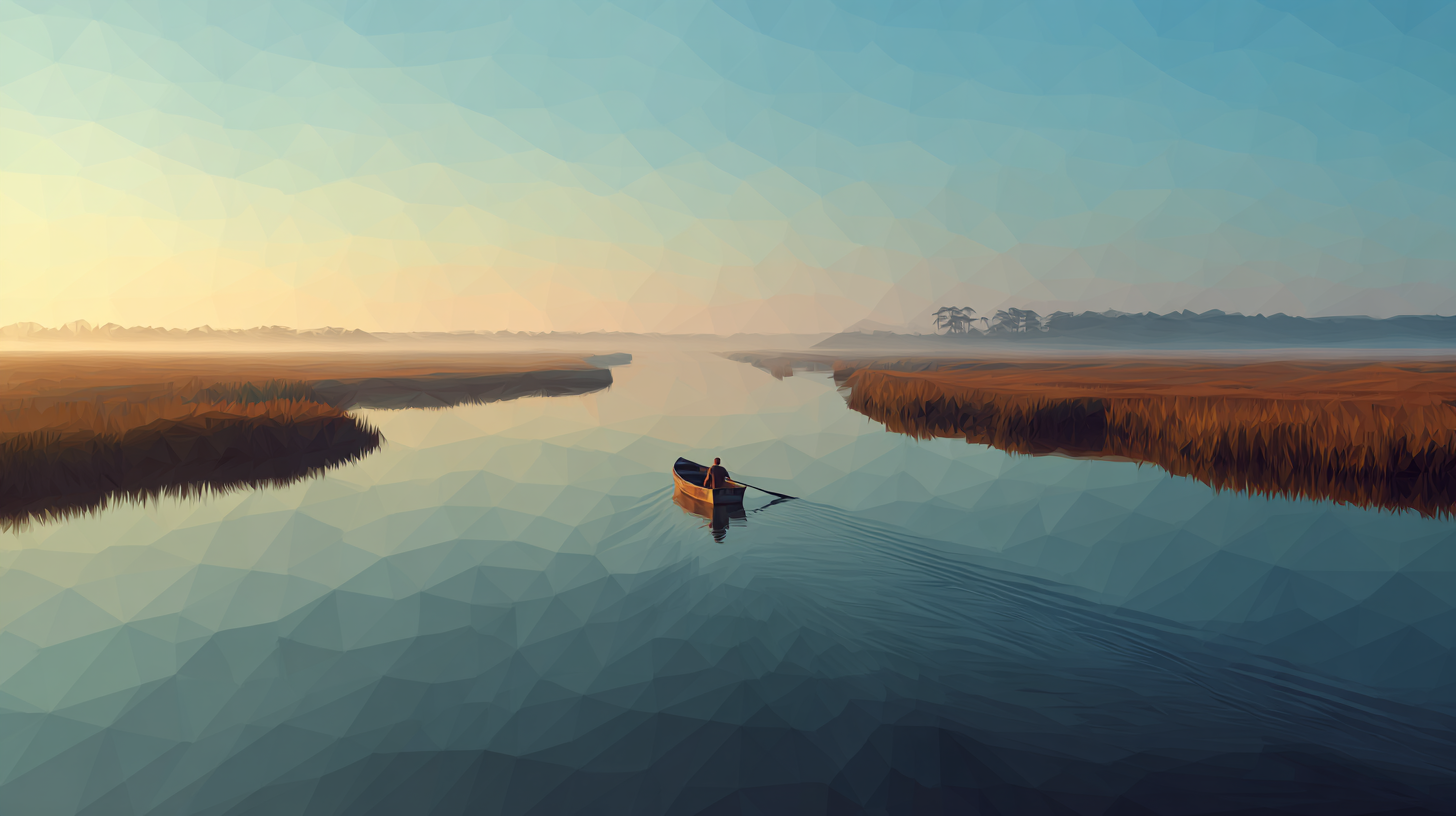
“Other days, I remember things I wish I’d done differently. Which is less fun, but apparently part of the package.”
“That sounds…healthy,” I said, which is what you say when you’re not sure if something is profound or just accurate.
Henry laughed. “It’s honest. That’s close enough.”
We sat in that quiet again. The kind that feels like it’s doing something, even if you can’t quite say what.
“Do you ever worry,” I said, “that all of that just…fades?”
Henry looked at me for the first time. Not sharply. Just directly.
“Of course it fades,” he said. “That’s what memory does. It softens the edges. Leaves out the boring parts. Turns a whole life into a handful of scenes.”
“That doesn’t seem fair,” I said.
“It’s not,” he agreed. “But it’s also not the end of the story.”
Now I was interested.
“I’ve been working on something,” he said, almost casually. “With my granddaughter. We’ve been recording stories. Conversations, mostly. She asks better questions than anyone I’ve ever met, which is both impressive and slightly threatening.”
“Smart kid,” I said.
“Terrifyingly,” he confirmed. “Anyway, she started building this thing. A way for my voice to stick around. Not just what happened, but how I think about what happened. The way I say things. The pauses. The bad jokes.”
He gestured vaguely, as if the concept might be floating somewhere over the marsh.
“So someday,” he continued, “when I’m not sitting on this bench anymore, she can still ask me things. And I can still answer.”
I felt something shift a little. Not dramatically. Just enough.
“That’s…kind of incredible,” I said.
Henry shrugged. “It’s practical. I’ve got a lifetime of stories. Seems wasteful to let them disappear just because I do.”
The dog looked up at him now, as if to say, finally, something sensible.
“Plus,” he added, “it means she’ll still have to listen to me. Which is, if we’re being honest, the real goal.”
I laughed. “Of course it is.”
We sat there a while longer. The light changed slightly, as it tends to do when you’re not paying attention. My family would eventually come looking for me, mostly to ask if I had seen the sunscreen, which I had not.
Before I left, I turned to Henry.
“What’s your granddaughter’s name?” I asked.
“Lila,” he said, smiling in a way that made the whole thing feel anchored.
“She’s lucky,” I said.
Henry shook his head. “I am.”
I started to walk away, then stopped.
“Hey,” I said. “What do you think she’ll ask you first?”
Henry didn’t hesitate.
“She’ll ask me what I was like before I was her grandfather.”
“And what will you say?”
He smiled, looking back out at the water.
“I’ll tell her the truth,” he said. “But I’ll make it a good story.”
As I walked back toward my family, I realized something that felt both obvious and entirely new.
We spend so much of our lives trying to hold onto moments. Photos, videos, little scraps of evidence that we were here, that it mattered.
But what we’re really trying to hold onto is something much more specific.
The way someone was.
Not just what they did.
Not just what they said.
But how it felt to know them.
And for the first time, it occurred to me that maybe that doesn’t have to disappear.
Not completely.
Not if we decide it doesn’t.